


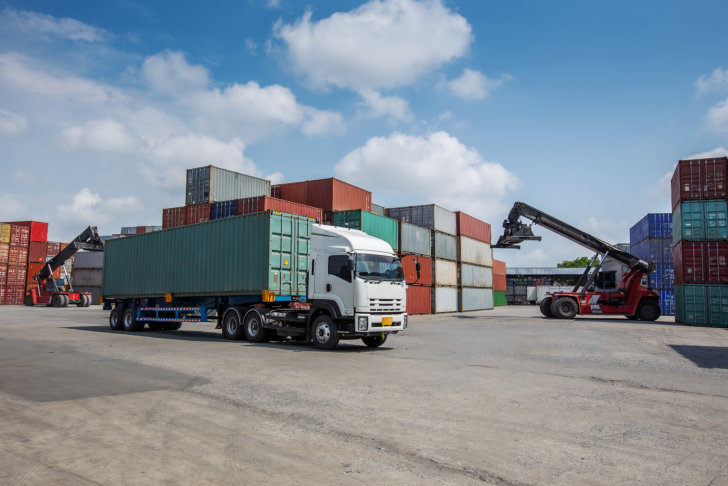
Moving a commercial truck or truck chassis across the country requires more than finding a carrier and scheduling a pickup. Long-distance transportation involves careful planning, the right trailer configuration, proper cargo securement, route coordination, and attention to delivery requirements.
For businesses transporting commercial vehicles from Alabama to Arizona, understanding these factors can help make the shipping process more organized and efficient.
Whether you’re relocating a truck chassis, moving commercial vehicles between facilities, or transporting equipment for an upcoming project, preparation is essential.
Here’s what businesses should know before arranging long-distance vehicle transportation from Alabama to Arizona.
1. Why Transport a Truck from Alabama to Arizona?
Businesses move commercial trucks and equipment between states for several reasons.
Some companies relocate vehicles to support operations in another state, while others purchase trucks from dealerships, auctions, manufacturers, or equipment sellers located far from their business headquarters.
Common reasons for transporting commercial vehicles include:
- Purchasing commercial trucks from out-of-state sellers
- Relocating fleet vehicles between business locations
- Delivering truck chassis to manufacturers or upfitters
- Moving equipment to support construction and industrial projects
- Transferring vehicles between dealerships or distribution facilities
- Repositioning fleet assets to meet operational demand
Alabama-to-Arizona transportation requires coordination across a long interstate journey. Planning the shipment early helps businesses prepare for pickup, transit, and final delivery.
2. Choosing the Right Trailer for Truck Transportation
The trailer selected for a shipment depends on the vehicle’s dimensions, weight, condition, and transportation requirements.
For certain commercial trucks and truck chassis, a flatbed or specialized trailer may be appropriate.
Flatbed Trailer
A flatbed provides an open deck that can accommodate certain vehicles and equipment that are difficult to transport in enclosed trailers. Loading and unloading arrangements depend on the vehicle’s configuration and the trailer setup.
Step Deck Trailer
A step deck has two deck levels and may provide additional vertical clearance for certain cargo configurations.
Lowboy Trailer
A lowboy is designed for heavy or tall equipment that requires a lower deck height. It may be considered when vehicle dimensions or transportation requirements make a conventional flatbed unsuitable.
The correct trailer should be selected after reviewing the vehicle’s measurements, weight, ground clearance, loading method, and applicable transportation restrictions.
3. Preparing a Truck Chassis Before Transportation
Before a commercial vehicle is loaded, the shipper and transportation team should confirm that the truck is ready for the journey.
Here are several important preparation steps.
A. Verify Vehicle Dimensions and Weight
Accurate measurements help determine the appropriate trailer and transportation arrangement.
Record the vehicle’s:
- Overall length
- Overall width
- Overall height
- Total weight
- Wheelbase
- Ground clearance
- Any components extending beyond the main chassis
Include attached equipment, accessories, or modifications that will remain installed during transportation.
B. Check the Vehicle’s Condition
Document the truck’s condition before loading.
Check for visible damage, loose components, leaking fluids, and parts that could shift or become damaged during transit.
Photographs taken before loading can also help establish a condition record.
C. Confirm Loading Requirements
Determine whether the vehicle is operational and can be driven onto the trailer or whether specialized loading equipment is needed.
The loading method should account for the vehicle’s ground clearance, weight distribution, and trailer configuration.
D. Secure the Vehicle Properly
Once loaded, the vehicle must be secured to prevent movement during transportation.
The appropriate securement arrangement may include properly rated chains, straps, wheel restraints, and other approved equipment.
Tie-down points and securement methods should be appropriate for the vehicle and comply with applicable cargo-securement requirements.
E. Prepare the Required Documentation
Depending on the shipment and business arrangement, documentation may include:
- Vehicle identification information
- Bill of lading
- Pickup and delivery details
- Proof of ownership or authorization to transport
- Vehicle condition report
- Required transportation permits, when applicable
Confirm documentation requirements before the scheduled pickup.
4. Planning the Alabama-to-Arizona Transportation Route
A long-distance shipment from Alabama to Arizona crosses multiple states and requires careful transportation coordination.
The exact route depends on the pickup and delivery addresses, vehicle dimensions, trailer configuration, road conditions, and any applicable restrictions.
Before dispatch, transportation planners should review:
Road and Bridge Restrictions
Bridge clearances, weight limits, road restrictions, and construction zones can affect the selected route, particularly when moving oversized or overweight cargo.
Weather Conditions
Weather can change throughout the journey. Rain, strong winds, extreme heat, and severe weather may affect driving conditions and transportation schedules.
Fuel and Rest Planning
Long-distance trucking requires appropriate fuel stops, driver rest periods, and schedule coordination.
Permit Requirements
Depending on the vehicle and loaded dimensions or weight, special permits may be necessary. Requirements vary by state and jurisdiction.
Delivery Accessibility
The receiving location in Arizona should have enough space for the truck and trailer to enter, maneuver, and unload safely.
Planning these details before dispatch helps reduce avoidable route complications.
5. What Can Affect the Cost of Shipping a Truck from Alabama to Arizona?
The cost of transporting a commercial truck across states is influenced by several factors.
There is no single price that applies to every shipment because vehicle specifications and transportation requirements can vary significantly.
Important cost considerations include:
- Distance: The mileage between the exact pickup and delivery locations affects transportation costs.
- Vehicle dimensions: Longer, wider, taller, or heavier vehicles may require specialized equipment.
- Trailer selection: Different trailer configurations have different transportation and equipment costs.
- Loading requirements: Specialized loading equipment or additional handling may affect the quote.
- Permits and escorts: Oversized or overweight shipments may require additional permits or escort arrangements.
- Schedule: Pickup deadlines, delivery windows, and equipment availability can influence pricing.
- Route conditions: Road restrictions and route-specific requirements may affect transportation planning.
For an accurate quote, provide complete vehicle information and exact pickup and delivery locations.
6. Common Challenges in Long-Distance Commercial Vehicle Transportation
Moving a commercial vehicle across several states can involve challenges that businesses should anticipate.
Incorrect vehicle measurements
Incomplete dimensions can lead to trailer selection problems or unexpected transportation requirements.
Improper cargo securement
Vehicles must be secured according to their configuration and applicable regulations to help prevent movement during transit.
Unplanned route restrictions
Certain roads and bridges may not accommodate particular vehicle and trailer combinations.
Weather-related delays
Severe weather and changing road conditions may affect schedules and require route adjustments.
Unprepared delivery locations
The receiving facility should be ready to accept the vehicle and provide suitable unloading access.
Good communication between the shipper, carrier, driver, and receiving team helps keep everyone informed throughout the transportation process.
7. Why Work With a Freight Transportation Partner?
Long-distance commercial vehicle shipping requires coordination beyond simply arranging a truck.
Businesses need to consider trailer availability, vehicle measurements, loading arrangements, cargo securement, transportation routes, and delivery requirements.
Working with a freight transportation partner can help bring these details together.
Before requesting a quote, prepare the following:
- Vehicle make, model, and description
- Overall dimensions and total weight
- Pickup location in Alabama
- Delivery location in Arizona
- Vehicle operating condition
- Loading and unloading requirements
- Preferred pickup and delivery schedule
- Recent photographs of the vehicle
Providing accurate shipment information helps the transportation team evaluate the requirements and identify a suitable shipping arrangement.
Move Your Commercial Vehicles With AmFreight Logistics
From commercial trucks and truck chassis to specialized equipment and oversized freight, every shipment requires the right transportation plan.
AmFreight Logistics helps businesses coordinate freight transportation based on cargo specifications, pickup and delivery locations, and shipment requirements.
Planning a vehicle shipment from Alabama to Arizona? Let AmFreight Logistics help coordinate your next move.
AmFreight Logistics — Your Freight. Our Priority.
Frequently Asked Questions
Can a commercial truck be transported from Alabama to Arizona on a flatbed trailer?
Yes, certain commercial trucks and truck chassis can be transported using a flatbed trailer, provided the vehicle’s dimensions, weight, loading requirements, and securement arrangements are suitable for that trailer.
How do I prepare a truck for long-distance transportation?
Start by documenting its condition, verifying its dimensions and weight, securing loose components, checking for leaks, confirming loading requirements, and preparing the necessary shipment documentation.
Does transporting a truck across multiple states require special permits?
Not every shipment requires special permits. However, vehicles or loaded combinations exceeding applicable size or weight limits may require permits from the relevant state transportation authorities.
What information is needed to get a commercial truck shipping quote?
Provide the vehicle description, dimensions, weight, pickup and delivery addresses, operating condition, photographs, and preferred shipping dates. Additional details may be needed if the shipment requires specialized equipment.
What factors affect long-distance truck transportation costs?
Distance, vehicle size and weight, trailer requirements, loading arrangements, permits, route restrictions, and scheduling can all influence the final transportation cost.
Leave a Reply