


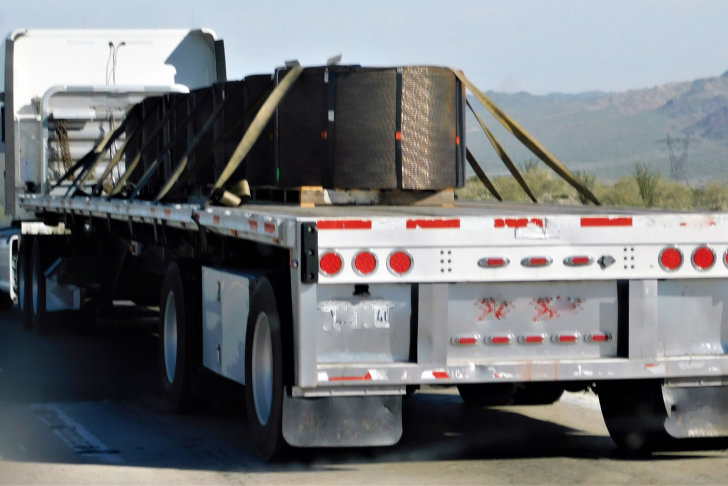
Moving heavy equipment requires more than finding a truck with enough hauling capacity. Businesses must consider the equipment’s dimensions, weight, loading requirements, securement, transportation route, and delivery conditions before scheduling a shipment.
One commonly used solution for transporting machinery and industrial cargo is flatbed trailer transportation. Its open-deck design provides flexibility for loading and hauling cargo that may be difficult to accommodate inside an enclosed trailer.
But how do you know when a flatbed trailer is the right choice, and what should you prepare before shipping?
Here’s what businesses should understand when planning their next heavy equipment shipment.
1. What Is Flatbed Trailer Transportation?
Flatbed transportation uses a trailer with an open, level deck instead of a fully enclosed cargo space. This design allows cargo to be loaded from different sides and, depending on the equipment and setup, from the rear or above.
Flatbed trailers are commonly used for transporting:
- Construction machinery and equipment
- Industrial components and materials
- Building supplies and steel products
- Agricultural equipment
- Large machinery parts
- Palletized and oversized cargo
- Equipment that requires specialized loading arrangements
Because there are no permanent enclosed walls surrounding the cargo, flatbed trailers offer greater flexibility for certain loads.
However, the cargo must be properly positioned, secured, and protected throughout the journey.
2. Why Businesses Use Flatbed Trailers for Heavy Equipment
Not every shipment can be loaded through the rear doors of an enclosed trailer. Some machinery is too wide, too tall, too heavy, or difficult to maneuver into a confined space.
Flatbed trailers can help address these challenges.
Flexible loading access
The open deck can allow loading from the side, rear, or above, depending on the trailer configuration and available loading equipment.
Accommodation for larger cargo
Certain oversized or unusually shaped items may be transported on an open deck when their dimensions and weight meet the trailer’s specifications and applicable transportation limits.
Convenient equipment handling
Machinery with suitable wheels, tracks, or designated lifting points may be loaded using ramps, forklifts, cranes, or other approved equipment.
Versatility across industries
Flatbed transportation supports a range of commercial needs, from construction projects and industrial operations to manufacturing and agricultural businesses.
The most appropriate trailer still depends on the cargo’s actual dimensions, weight, loading method, and route.
3. What Should You Check Before Loading Heavy Equipment?
Proper preparation helps reduce avoidable loading complications and transportation risks.
Before moving heavy machinery, review these important details.
A. Confirm the Equipment’s Dimensions and Weight
Start by measuring the equipment accurately.
Record its:
- Overall length
- Overall width
- Overall height
- Total operating or shipping weight
- Ground clearance
- Weight distribution
Include attachments and accessories that will remain installed during transportation.
These measurements help determine whether the equipment can be accommodated by the trailer and whether additional permits or specialized transportation arrangements may be required.
B. Inspect the Trailer and Loading Equipment
Before loading, inspect the trailer deck, loading ramps, connections, tires, and other relevant components.
Confirm that the trailer is suitable for the equipment’s weight and dimensions.
If ramps are being used, verify that they are properly positioned, secured, and rated for the loading operation. The loading surface should also be appropriate for the machinery being moved.
C. Plan the Loading Process
Loading heavy equipment requires coordination between the driver, equipment operator, and loading personnel.
Before the operation begins, establish:
- The designated loading area
- The equipment’s approach and positioning
- The loading method
- The required lifting or loading equipment
- A safe working area
- Communication between everyone involved
The loading process should follow the trailer manufacturer’s instructions and applicable safety procedures.
D. Secure the Equipment Properly
Once the machinery is positioned, it must be secured to prevent unwanted movement during transportation.
Depending on the equipment and applicable requirements, securement may involve:
- Properly rated chains or straps
- Appropriate tie-down points
- Blocking and bracing
- Wheel or track restraints
- Protection for vulnerable components
The securement method must account for the cargo’s weight, center of gravity, configuration, and applicable cargo-securement regulations.
E. Prepare the Equipment for Transportation
Before departure, check that loose components are removed or secured.
Consider the following:
- Secure movable parts and attachments.
- Lower or position equipment components as required.
- Protect exposed electrical and hydraulic connections.
- Check for loose tools or accessories.
- Confirm that the equipment is stable.
- Document the equipment’s condition before loading.
These steps help prepare the shipment for the road ahead.
4. Choosing the Right Trailer for Your Cargo
A flatbed trailer is only one of several transportation options available for heavy equipment.
Depending on the shipment, other trailer configurations may be more appropriate.
| Trailer Type | Common Application |
|---|---|
| Standard flatbed | General freight, building materials, and certain machinery |
| Step deck | Cargo requiring additional vertical clearance |
| Lowboy | Heavy construction equipment and machinery with substantial height |
| Extendable trailer | Certain long or oversized loads |
| Specialized equipment trailer | Cargo requiring a specific loading or transportation configuration |
The best option depends on the cargo’s dimensions, weight, ground clearance, loading requirements, and route restrictions.
A logistics provider can help evaluate the shipment before selecting the transportation equipment.
5. Transportation Planning: What Happens After Loading?
Getting heavy equipment onto a trailer is only one part of the shipment.
Once loading is complete, transportation planning becomes equally important.
Route assessment
The planned route should account for bridge clearances, road restrictions, weight limits, construction zones, and other potential obstacles.
Permits and regulations
Oversized or overweight shipments may require special permits, approved routes, travel restrictions, or escort vehicles, depending on the jurisdictions involved.
Weather considerations
Rain, strong winds, extreme temperatures, and changing road conditions can affect transportation schedules and cargo protection.
Delivery-site accessibility
The destination must have enough space for the truck and trailer to enter, maneuver, and unload safely. Confirm whether unloading equipment or additional personnel will be needed.
Shipment coordination
Clear communication among the shipper, carrier, driver, and receiving location helps everyone prepare for pickup and delivery.
Planning these details early can help businesses avoid unnecessary delays and last-minute complications.
6. Common Mistakes to Avoid When Shipping Heavy Equipment
Even a suitable trailer cannot compensate for poor shipment preparation.
Here are several mistakes businesses should avoid:
- Providing inaccurate measurements. Incorrect dimensions can lead to unsuitable trailer selection or unexpected permit requirements.
- Underestimating cargo weight. The trailer must be suitable for the load, including proper weight distribution.
- Overlooking loading requirements. Not every machine can safely drive onto a trailer or be lifted using the same method.
- Improper cargo securement. Equipment must be secured according to its configuration and applicable regulations.
- Ignoring route restrictions. Bridge clearances, road limitations, and local requirements should be reviewed before dispatch.
- Forgetting delivery-site preparation. A shipment can reach its destination but still encounter problems if the unloading area is not ready.
Good transportation planning begins before the truck arrives.
7. Why Working With an Experienced Freight Partner Matters
Heavy equipment transportation involves several moving parts. Businesses need to coordinate cargo information, trailer selection, loading arrangements, route planning, and delivery requirements.
A reliable freight partner helps bring these details together.
Before requesting a transportation quote, prepare the following information:
- Equipment description and photographs
- Cargo dimensions and total weight
- Pickup and delivery locations
- Preferred shipping dates
- Loading and unloading requirements
- Any known permit or special handling needs
Providing complete information makes it easier to evaluate the shipment and identify suitable transportation arrangements.
Plan Your Next Heavy Equipment Shipment With AmFreight Logistics
Whether you’re moving construction machinery, industrial equipment, or oversized commercial cargo, choosing the right transportation solution starts with understanding your shipment.
AmFreight Logistics helps businesses coordinate freight transportation based on cargo requirements, pickup and delivery locations, and transportation needs.
Have equipment that needs to be moved? Start planning your shipment with the right information and a transportation solution suited to your cargo.
AmFreight Logistics — Your Freight. Our Priority.
Frequently Asked Questions
What types of equipment can be transported using a flatbed trailer?
Depending on the trailer’s specifications and applicable transportation requirements, flatbed trailers can carry construction machinery, industrial components, building materials, agricultural equipment, and other commercial cargo.
How do you load heavy equipment onto a flatbed trailer?
Loading methods vary according to the equipment and trailer configuration. Common methods include using suitable ramps, cranes, forklifts, or other approved loading equipment. The process should follow appropriate safety procedures.
Does heavy equipment need to be secured during flatbed transportation?
Yes. Cargo must be properly secured to prevent shifting, falling, or other movement during transit. The appropriate securement method depends on the cargo’s weight, shape, configuration, and applicable regulations.
When is a lowboy better than a standard flatbed?
A lowboy may be more appropriate when transporting tall or heavy machinery that requires a lower deck height. The correct choice depends on equipment dimensions, weight, ground clearance, and route restrictions.
What information is needed for a flatbed shipping quote?
You should provide the cargo description, dimensions, weight, pickup and delivery locations, photographs, preferred shipping dates, and loading and unloading requirements. Additional technical details may be needed for oversized or specialized cargo.
Leave a Reply